Best Diet for PCOS Weight Loss: Build a Plan That Lasts
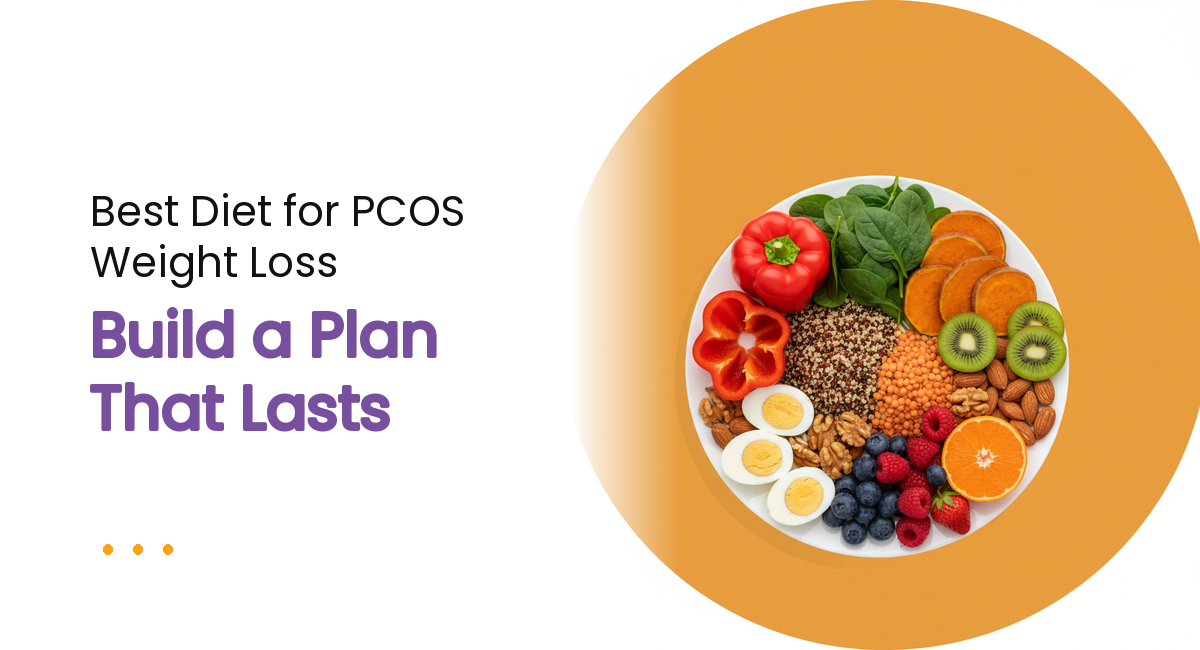
The best diet for pcos weight loss is hard to identify when online plans disagree, especially if irregular periods, cravings, or slow progress already feel frustrating. There is no single eating pattern proven superior for every person with PCOS. A sustainable plan usually combines lower-glycemic carbohydrates, adequate protein, fibre, unsaturated fats, regular meals, and portions that suit your health needs. Kamineni Fertility Centre has supported fertility care for over a decade and has delivered more than 14,000 babies. Its team explains how food choices can fit around menstrual health, ovulation, and fertility treatment without crash diets or guaranteed results. Read on for a practical plate guide, foods to limit, signs that you need clinical advice, and how nutrition fits into the care journey from consultation to follow-up.
Key takeaways
- No single diet has been shown to work best for every person with PCOS.
- Pair lower-glycemic carbohydrates with protein, fibre, and unsaturated fats at regular meals.
- A five to ten percent weight change may support ovulation when weight loss is clinically appropriate.
- Crash diets can be difficult to sustain and may not suit fertility treatment or pregnancy planning.
- Food changes should be personalised after a qualified healthcare professional reviews your symptoms and goals.
How do you build the best diet for PCOS weight loss?
The most suitable plan combines balanced portions, lower-glycemic carbohydrates, protein, fibre, and unsaturated fats rather than removing one food group.
PCOS affects people differently. Some people mainly notice irregular periods, while others also have acne, unwanted hair growth, weight changes, or difficulty conceiving. Food can support blood sugar control and general health, but it does not replace assessment or treatment.
| Plate component | Practical choices |
|---|---|
| Lower-glycemic carbohydrate | Whole grains, beans, lentils, and vegetables. |
| Protein | Eggs, fish, poultry, dairy, tofu, beans, or lentils. |
| Fibre | Vegetables, fruit, legumes, nuts, seeds, and whole grains. |
| Unsaturated fat | Nuts, seeds, avocado, and plant oils in suitable portions. |
Choose meals you can repeat during busy weeks. A plate with vegetables, a protein source, and a whole-food carbohydrate is often easier to sustain than a strict list of forbidden foods. You can also review Diet to boost fertility for food planning that considers reproductive goals.
Which PCOS foods help control hunger and blood sugar?
Foods that digest more slowly can help create steadier meals, especially when they are paired with protein and fibre.
Lower-glycemic choices include beans, lentils, chickpeas, vegetables, whole grains, and many whole fruits. Whole foods are not automatically suitable in unlimited portions, so serving size and your full day of eating still matter.
- Add vegetables to lunch and dinner, using fresh, frozen, or cooked options.
- Pair fruit with yoghurt, nuts, seeds, or another protein source if it helps you stay satisfied.
- Choose wholegrain foods more often than refined grains.
- Include regular meals instead of leaving long gaps that lead to intense hunger.
- Use water or unsweetened drinks more often than sugary drinks.
Evidence-based patient guidance also supports varied fruit and vegetables, lower-glycemic options, oily fish, seeds, walnuts, and other sources of unsaturated fats. You can read NHS guidance on PCOS and diet for a patient-friendly explanation.
Should you choose a low-carb, Mediterranean, or low-GI diet?
Low-carb, Mediterranean, and low-GI patterns can all be considered, but no single carbohydrate or fat ratio is right for everyone with PCOS.
| Eating pattern | What it emphasises | What to check |
|---|---|---|
| Lower-GI pattern | Foods that raise blood sugar more slowly. | Keep meals varied and include enough protein and fibre. |
| Mediterranean-style pattern | Vegetables, fruit, legumes, whole grains, fish, nuts, and unsaturated fats. | Use portions that fit your energy needs and preferences. |
| Lower-carbohydrate pattern | Fewer carbohydrate foods with more emphasis on protein and fats. | Do not restrict heavily without clinical guidance, especially during fertility care. |
A plan only helps if you can follow it safely and consistently. A strict ketogenic pattern may not suit everyone, and it should not be started during pregnancy without qualified advice. Your clinician can consider blood sugar, medications, menstrual patterns, activity, and fertility plans before suggesting changes.
If you are preparing for treatment, read Is there a need for a change in diet before IVF? before making major food restrictions.
How much weight loss is appropriate with PCOS?
When weight loss is appropriate, a five to ten percent reduction has been associated with improved ovulation in many women with higher weight, but it is not a guarantee.
The right target depends on your starting health, symptoms, nutritional needs, and pregnancy plans. A scale cannot measure every improvement. More regular cycles, steadier energy, better meal control, and improved blood test results may also matter.
| Track | Why it helps |
|---|---|
| Cycle dates | Shows whether periods are becoming more predictable. |
| Meal patterns | Identifies long gaps, frequent cravings, or foods that are hard to sustain. |
| Energy and hunger | Shows whether portions and meal balance support daily life. |
| Clinical results | Allows your healthcare professional to review changes beyond body weight. |
For a safer way to review progress, see PCOS Weight Loss in 1 Month: What to Track Safely. Avoid comparing your progress with someone else’s timeline.
When should PCOS diet changes include fertility care?
Diet changes should become part of fertility care when irregular ovulation, pregnancy planning, or treatment decisions are affecting your next step.
A consultation may review your cycle history, symptoms, medical background, and fertility goals. The care plan can then include nutrition advice alongside appropriate fertility options. Kamineni Fertility Centre is led by Dr. Vasundhara Kamineni, Medical Director and Head of Obstetrics & Gynaecology, with fertility specialists and an embryologist supporting patient care.
Ask about Is there a test for fertility if you have concerns about ovulation or conception. If you are considering assisted treatment, options may include Ovulation Induction or IVF Treatment, depending on your assessment.
Questions about pregnancy planning can also include the Age to Get Pregnant With PCOS: What to Know. If fertility preservation is relevant, you can ask to Know the best time to freeze your eggs. People preparing for parenthood may also explore Mother & Child Care.
For a wider view of the care journey, What are the different treatment available for Fertility? explains how evaluation can guide treatment choices. Call +91 94910 68784 to discuss your next step. Consult a qualified healthcare professional for medical decisions.
There is no single PCOS diet that suits everyone. Build meals around lower-glycemic carbohydrates, protein, fibre, and unsaturated fats, then track cycles, hunger, energy, and clinical findings rather than weight alone. A five to ten percent change may support ovulation for some women when weight loss is appropriate, but results vary. If irregular periods or pregnancy plans are creating uncertainty, call Kamineni Fertility Centre on +91 94910 68784 to arrange a consultation. Consult a qualified healthcare professional for medical decisions.
FAQs
What is the best diet for PCOS weight loss?
The best plan is usually a sustainable pattern with lower-glycemic carbohydrates, adequate protein, fibre, unsaturated fats, and suitable portions. No single diet has been shown to be superior for every person with PCOS.
Can losing weight improve PCOS ovulation?
A five to ten percent weight reduction may improve ovulation in many women with higher weight when weight loss is appropriate. It is not a guaranteed result, and health goals should be personalised with a qualified healthcare professional.
Are low-carb diets safe for PCOS?
Lower-carbohydrate eating may suit some people with PCOS, but heavy restriction can be difficult to sustain and may not suit pregnancy or fertility treatment. Discuss major diet changes with a qualified healthcare professional.
What foods should I avoid with PCOS?
There is no universal banned-food list for PCOS. Limit foods and drinks that are highly processed or high in added sugar if they displace balanced meals, while keeping your overall pattern varied.
Can diet alone treat PCOS infertility?
Diet can support general health and may support ovulation, but it cannot guarantee conception or replace fertility assessment. A consultation can identify whether ovulation induction, IVF, or another option is appropriate.