PCOS Weight Loss in 1 Month: A Safe Diet Plan
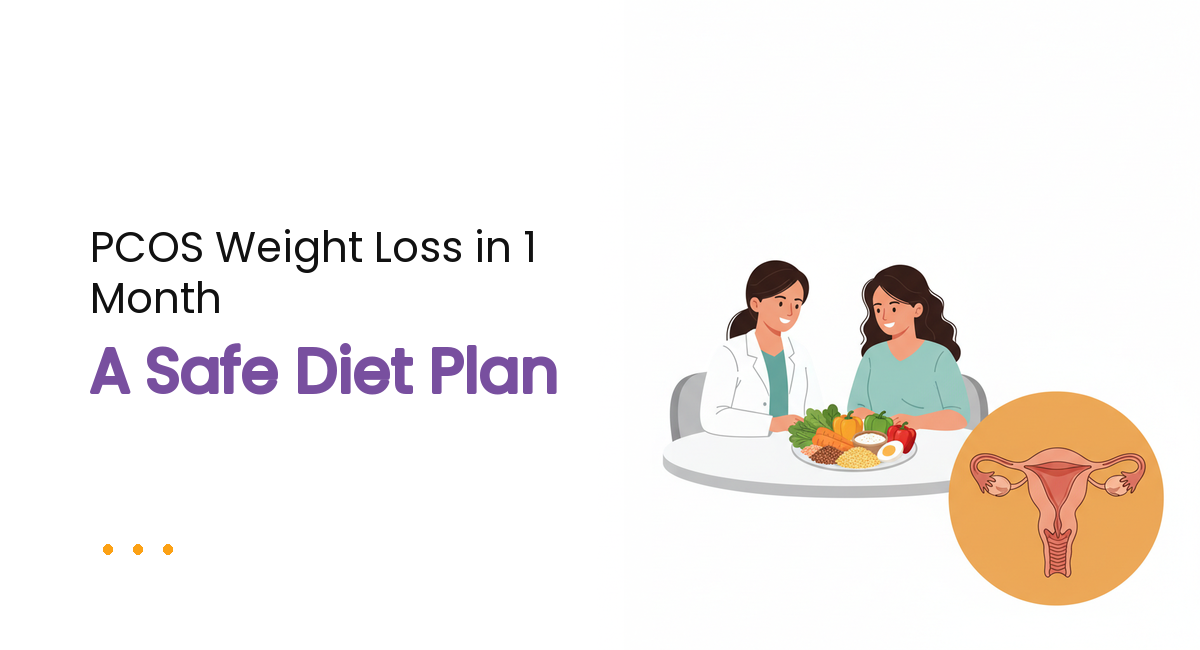
A pcos weight loss in 1 month diet plan can feel urgent when irregular periods, weight gain, acne, or fertility concerns are affecting daily life. Quick fixes often create hunger, fatigue, and disappointment. A safer approach uses balanced meals, protein, low-glycemic carbohydrates, vegetables, healthy fats, and steady portions. Kamineni Fertility Centre advises readers to treat weight change as one part of PCOS care, not as a test of willpower. A monthly plan can support healthier habits, but it cannot promise a specific amount of weight loss or replace medical assessment. This guide explains how to build meals, track useful changes, adjust the plan, and understand when fertility treatment may be discussed. You will also see how food planning connects with ovulation care and future pregnancy decisions, so your next step is based on symptoms and goals rather than a rushed diet.
Key takeaways
- PCOS meal planning should combine protein, low-glycemic carbohydrates, vegetables, and healthy fats.
- A one-month plan should track energy, hunger, periods, and symptoms, not weight alone.
- Common meal targets may range from 1500 to 2000 calories, but personal needs differ.
- At least 80 grams of daily protein is a commonly used target, not a prescription.
- Consult a qualified healthcare professional for medical decisions.
How can you start a PCOS weight loss in 1 month diet plan?
A practical one-month plan starts with regular, balanced meals rather than severe restriction or skipped meals. Polycystic Ovary Syndrome (PCOS) can involve weight changes, irregular periods, acne, hair changes, and difficulty with ovulation, so food choices should support your wider health goals.
| Meal part | What to choose |
|---|---|
| Protein | Eggs, curd, paneer, fish, chicken, tofu, or legumes. |
| Carbohydrate | Millets, beans, vegetables, or controlled portions of whole grains. |
| Healthy fat | Nuts, seeds, avocado, or measured cooking oil. |
| Fibre | Vegetables, legumes, fruit, and salads suited to your digestion. |
Use a plate structure that includes a clear protein source, plenty of vegetables, a measured carbohydrate portion, and a small amount of healthy fat. A common calorie range mentioned for many women is 1500 to 2000 calories, but your medical history, activity, medicines, and eating pattern matter.
For a separate tracking guide, read PCOS Weight Loss in 1 Month: What to Track Safely. It can help you record changes without treating the scale as the only result.
Which foods should a one-month PCOS meal plan include?
A one-month PCOS meal plan should include high-protein foods, low-glycemic carbohydrates, vegetables, legumes, and healthy fats in portions you can repeat.
Breakfast
Choose eggs with vegetables, unsweetened curd with seeds, vegetable dosa with a protein side, or a bean-based meal. A breakfast built around protein may help you stay satisfied longer than a meal made mainly from refined carbohydrates.
Lunch
Combine dal, rajma, chana, paneer, tofu, fish, chicken, or eggs with vegetables and a controlled portion of brown rice, millet, or another whole grain. Add curd if it suits you.
Dinner
Keep dinner balanced rather than eliminating carbohydrates entirely. Try vegetables with a protein source and a smaller portion of millet, legumes, or whole grains.
Snacks
Use fruit with nuts, roasted legumes, curd, or a boiled egg. Replace frequent sweet drinks and packaged snacks with water and less processed options.
| Food choice | How to use it |
|---|---|
| Millets | Use as one measured carbohydrate option instead of adding several grain servings together. |
| Legumes | Add dal, chickpeas, or beans to increase protein and fibre in a meal. |
| Vegetables | Include different colours across lunch and dinner for variety and fibre. |
| Healthy fats | Measure nuts, seeds, and oils because nutritious foods can still add substantial energy. |
At least 80 grams of protein daily is a commonly suggested target, but it is not suitable for everyone. A fertility specialist or qualified diet professional can adapt the plan for pregnancy, kidney concerns, diabetes, food allergies, or other conditions.
For practical meal structure, see Best Diet for PCOS Weight Loss: Build a Plan That Lasts.
How should you track progress during one month?
Track hunger, energy, menstrual changes, meal consistency, and symptoms alongside body weight during the month. PCOS changes may not follow a weekly pattern.
- Record meals and snacks for several days without judging yourself.
- Note hunger between meals, cravings, sleep quality, energy, and digestive comfort.
- Track period dates and any change in cycle pattern.
- Measure weight only as often as your clinician recommends.
- Review the record after each week and change one habit at a time.
A structured calorie pattern may improve insulin sensitivity and support symptom management, but diet does not diagnose or cure PCOS. A period change, worsening symptoms, or difficulty conceiving deserves a clinical discussion rather than a stricter diet.
If pregnancy is a goal, ask whether Is there a need for a change in diet before IVF? Your answer depends on your health, treatment plan, and nutritional needs.
When should PCOS diet planning include fertility treatment?
PCOS diet planning should include fertility care when irregular ovulation, prolonged difficulty conceiving, or treatment planning becomes part of your goal.
Food changes can support general health, but they cannot confirm whether ovulation is occurring or identify every reason for infertility. A consultation may review your cycle history, symptoms, partner factors, and previous treatment. Treatment options can include Ovulation Induction when clinically appropriate.
Some patients may later discuss In-vitro Fertilization (IVF). The decision is individual and may depend on age, ovarian response, sperm factors, tubal findings, previous treatment, and the duration of infertility. A diet plan should support treatment, not delay needed assessment.
Kamineni Fertility Centre has provided fertility care for over a decade and has delivered more than 14,000 babies. Care is led by Dr. Vasundhara Kamineni, Medical Director and Head of Obstetrics & Gynaecology, with fertility specialists and an embryologist supporting the care pathway.
How can you make the plan safe and sustainable?
A sustainable plan uses moderate portions, repeatable meals, and professional review when symptoms or fertility goals require it.
- Do not remove entire food groups without a clinical reason.
- Do not use very low-calorie diets, unverified supplements, or fasting plans as substitutes for care.
- Build meals around foods you can prepare regularly.
- Ask for advice before changing food intake during pregnancy or fertility treatment.
- Seek care for very irregular periods, heavy bleeding, severe pain, or persistent fertility concerns.
Patients can contact Best Fertility Centre in Hyderabad to discuss the next step with a fertility team. Kamineni Fertility Centre follows a patient-first approach based on ethics, honesty, accountability, transparency, and technology, with over 1 lakh+ verified ratings on Google.
Food planning may be discussed alongside procedures such as Laparoscopy when a clinician believes further evaluation is needed. The correct choice depends on assessment, not on a diet chart alone.
A PCOS diet plan works best when it uses regular meals, protein, vegetables, low-glycemic carbohydrates, and measured portions. Track cycle changes, hunger, energy, and symptoms rather than chasing rapid weight loss. If irregular ovulation or difficulty conceiving continues, diet alone may not answer the problem. Call Kamineni Fertility Centre on +91 94910 68784 to discuss a consultation and suitable fertility care. Consult a qualified healthcare professional for medical decisions.
FAQs
Can I lose weight with PCOS in one month?
You may lose some weight in one month, but the amount differs with health, activity, eating pattern, medicines, and metabolism. A safer goal is consistent meals and measurable improvements in hunger, energy, and cycle tracking rather than a guaranteed number.
What should I eat for PCOS weight loss?
Choose meals that combine protein, vegetables, low-glycemic carbohydrates, legumes, and healthy fats. Indian options can include millets, dal, beans, curd, eggs, paneer, tofu, and controlled portions of whole grains.
How much protein should I eat with PCOS?
At least 80 grams of protein daily is a commonly suggested target, but it is not suitable for every person. A qualified healthcare professional should adjust protein needs for pregnancy, kidney concerns, diabetes, allergies, and fertility treatment.
Is PCOS dangerous?
PCOS needs medical attention because it can affect periods, ovulation, metabolism, skin, hair, and fertility. Symptoms vary, so a clinician should assess your history rather than relying on a diet plan alone.
Do I need a special diet before IVF?
You may need personalised nutrition advice before In-vitro Fertilization (IVF), depending on your health and treatment plan. Ask your fertility specialist whether any changes are appropriate before starting treatment.