Does Stress Affect Egg Quality? What Fertility Patients Should Know
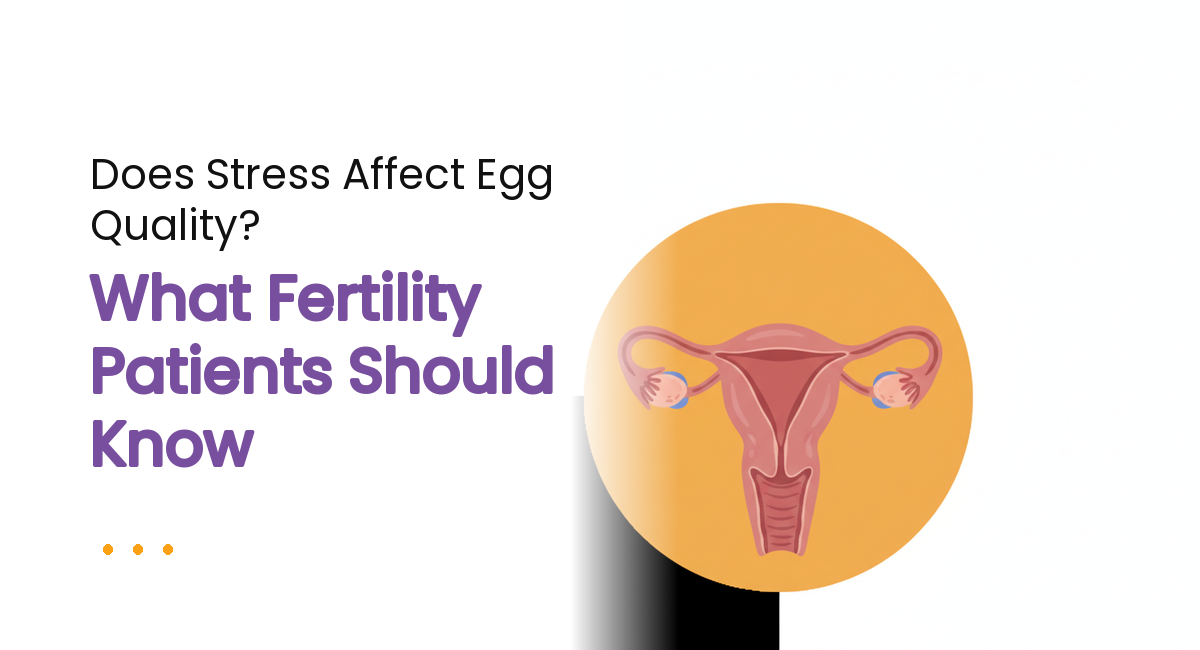
Does stress affect egg quality when you are trying to conceive? Searching this question often follows months of worry, irregular cycles, fertility treatment, or fear that daily pressure has caused lasting harm. The direct answer is that ongoing, high stress may affect reproductive hormones, ovulation, and the conditions supporting egg development. Stress alone is not usually the root cause of infertility, and it does not prove that an egg is unhealthy. Kamineni Fertility Centre explains the link in practical terms, while recognising that egg quality also relates to age, ovarian function, health, and other factors. This guide shows what stress may change, what symptoms deserve assessment, and how consultation can separate stress-related changes from other fertility concerns. It also explains supportive steps before ovulation treatment, egg retrieval, or in-vitro fertilization.
Key takeaways
- Ongoing high stress may affect reproductive hormones, ovulation, and the environment supporting egg development.
- Stress alone does not prove infertility or explain every change in egg quality.
- Irregular periods, missed ovulation, or persistent distress deserve a fertility consultation.
- Sleep, movement, counselling, and practical support can help reduce stress during fertility care.
- Age, ovarian function, and other health factors must be assessed alongside stress.
What does stress affect egg quality mean in fertility care?
Stress may influence egg development indirectly through cortisol, inflammation, oxidative stress, and changes in reproductive hormone signals. Egg quality is not a feeling that can be judged from stress levels alone. It is considered alongside age, ovulation, ovarian reserve, medical history, and treatment findings.
Short periods of worry are common during attempts to conceive. Ongoing stress can be different, especially when it affects sleep, appetite, menstrual timing, work, relationships, or attendance at appointments. The aim is not to blame yourself. The aim is to identify changes that deserve medical review.
| Factor | Possible fertility connection |
|---|---|
| Ongoing stress | May affect cortisol activity and reproductive hormone balance. |
| Hormonal disruption | May interfere with ovulation or the timing of the menstrual cycle. |
| Sleep disturbance | Can make coping harder and may accompany persistent stress. |
| Other health factors | Age, ovarian function, and medical conditions can also affect fertility. |
For a wider explanation, read How does stress affect fertility & pregnancy. A consultation should examine the whole fertility picture rather than assign responsibility to one emotion.
How can stress change ovulation and egg development?
High or persistent stress can affect the brain signals that coordinate reproductive hormones, which may alter ovulation or menstrual regularity. Cortisol is one stress hormone involved in the body’s stress response. Ongoing stress may also contribute to oxidative stress and inflammation, which can affect ovarian function.
Some people notice longer or shorter cycles, delayed periods, fewer signs of ovulation, mood changes, or more difficulty sleeping. These signs do not diagnose poor egg quality. They show why cycle history and clinical assessment matter.
Stress may also affect fertility indirectly. A person may skip meals, stop exercising, use unhealthy coping habits, or miss appointments. Fertility treatment can add injections, scans, waiting, and uncertainty. Understanding Does IVF affect the psychological quality of the couple can help couples plan emotional support before treatment begins.
What stress cannot tell you
- Stress cannot confirm that egg quality is poor.
- Stress cannot prove that conception will not occur.
- Stress cannot replace assessment of ovulation, ovarian function, sperm health, or the uterus.
- Reducing stress is supportive care, not a promise of pregnancy.
If you are concerned about daily habits, review What Lifestyle choices can affect fertility with a qualified fertility specialist.
Which symptoms suggest that stress and ovulation need assessment?
Menstrual changes, missed ovulation signs, persistent anxiety, or severe sleep problems should be discussed with a healthcare professional rather than self-treated as poor egg quality.
| What you notice | Useful next step |
|---|---|
| Cycles become irregular | Record cycle dates and discuss ovulation assessment. |
| Periods stop or become unusually delayed | Arrange a medical review to check reproductive and general health. |
| Persistent worry affects sleep or eating | Ask about counselling and practical emotional support. |
| Pregnancy has not occurred | Discuss fertility evaluation instead of assuming stress is the cause. |
Age is another factor that should be considered early. Read How does age affect fertility & pregnancy? because stress should not distract from age-related or ovarian factors.
People with conditions affecting metabolism or weight may need additional evaluation. Information about Can Diabetes Affect Fertility & Pregnancy and Can obesity affect fertility & pregnancy may help you prepare questions for your appointment.
What can you do to support fertility while managing stress?
Stress support works best when it is practical, consistent, and fitted to your health needs. It does not require perfect calm before trying to conceive or starting treatment.
- Keep a simple record of periods, symptoms, sleep, and major stress changes.
- Choose gentle, regular movement if your healthcare professional agrees.
- Protect a regular sleep routine and allow time away from fertility discussions.
- Speak with a counsellor if worry, low mood, or relationship strain persists.
- Bring your partner or support person to appointments when helpful.
Mindfulness, breathing exercises, and counselling may help some patients manage treatment-related worry. The The Role of Mindfulness in IVF: Managing Stress and Anxiety Read More resource explains how these approaches may fit into fertility care.
Ask about Psychological Counseling if emotional distress is making daily life or treatment decisions harder. Support is part of patient-first care, not evidence that you have failed to cope.
When should stress lead to a fertility consultation?
Arrange a consultation when stress occurs with irregular cycles, delayed conception, known reproductive concerns, or a need to discuss treatment options.
A fertility assessment may review your menstrual history, ovulation, ovarian reserve, medical conditions, medications, family history, and partner factors. Depending on the findings, care may include ovulation induction, intrauterine insemination, in-vitro fertilization, intracytoplasmic sperm injection, natural cycle IVF, oocyte freezing, or laparoscopy. The suitable option depends on the clinical assessment, not stress alone.
If treatment includes egg collection, you can read Does egg retrieval procedure hurt before your consultation. If ovarian response or egg numbers are a concern, What happens if the female has a low egg count may help you form specific questions.
Kamineni Fertility Centre has provided fertility care for over a decade, with more than 14,000 babies delivered. Care is led by Dr. Vasundhara Kamineni, Medical Director and Head of Obstetrics & Gynaecology, with fertility specialists and an embryologist supporting the treatment journey. Call +91 94910 68784 to discuss the next step.
Consult a qualified healthcare professional for medical decisions.
Stress may influence reproductive hormones, ovulation, sleep, and coping, but it does not prove poor egg quality or explain every fertility concern. Track cycle changes, seek support for persistent distress, and arrange assessment when conception is delayed or periods become irregular. Kamineni Fertility Centre brings over a decade of fertility care and more than 14,000 babies delivered to the consultation journey. Call +91 94910 68784 to discuss your concerns with the care team. Consult a qualified healthcare professional for medical decisions.
FAQs
Can stress lower egg quality?
Persistent high stress may affect cortisol activity, inflammation, oxidative stress, reproductive hormones, and ovarian function. Stress alone does not prove that egg quality is low, so fertility assessment should consider age, ovulation, ovarian function, and other factors.
How does stress affect fertility and ovulation?
Stress may interfere with the hormone signals that coordinate ovulation and can contribute to irregular menstrual cycles. It may also affect sleep, eating, relationships, and attendance at fertility care appointments.
Can reducing stress improve fertility?
Reducing stress can support sleep, daily functioning, treatment coping, and regular health habits. It cannot guarantee pregnancy or confirm that egg quality has changed, so medical assessment remains necessary.
Does IVF affect the psychological quality of the couple?
In-vitro fertilization can bring appointments, waiting, uncertainty, and emotional strain that affect partners differently. Counselling, clear communication, and planned support can help couples manage the treatment experience.
Does egg retrieval procedure hurt?
Egg retrieval is a medical procedure that should be discussed with the fertility team, including preparation, pain relief, recovery, and possible risks. Your clinician can explain what to expect based on your planned treatment.
How does age affect fertility and pregnancy?
Age is one factor associated with fertility and egg quality, but its meaning differs between individuals. A fertility specialist can combine age with cycle history, ovarian assessment, and other findings to guide care.